Don't Throw Those Grounds Away: Smarter Things to Do with Spent Coffee
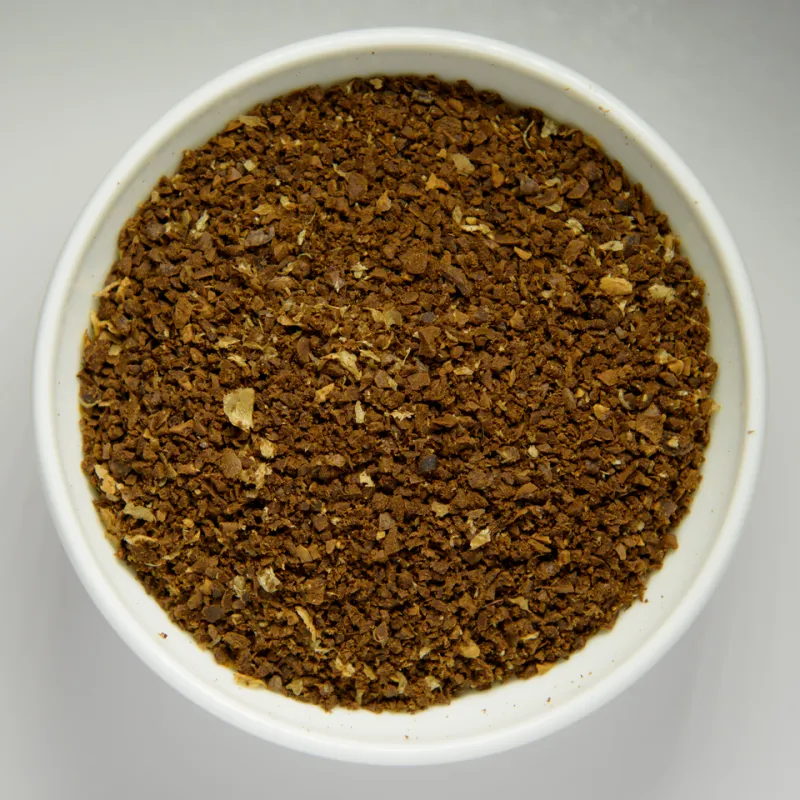
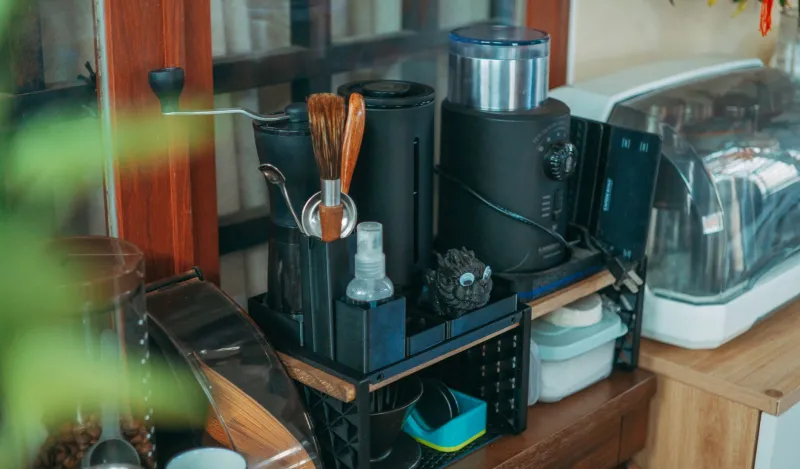
Photo: Alorin, CC BY 4.0, via Wikimedia Commons
You've made your coffee. You've had your moment. The cup is empty, the morning is marginally more survivable, and now there's a soggy puck of used grounds sitting in your filter or portafilter waiting to hit the trash.
Stop right there.
Spent coffee grounds are one of the most quietly useful things in the average American kitchen, and the vast majority of us are just pitching them without a second thought. That's not a moral failing — nobody's keeping score — but once you know what those grounds can actually do, throwing them away starts to feel a little like tossing out a multi-tool because you only needed the bottle opener.
Here's what your coffee's second act can look like.
Why Used Grounds Are Still Useful
Before we get into the how, it helps to understand the why — because spent grounds aren't just wet dirt. They still contain compounds that do real work.
Coffee is naturally abrasive at the particle level, which makes it useful for scrubbing without scratching. It's also slightly acidic (though less so after brewing), and it retains significant amounts of nitrogen, potassium, and magnesium — nutrients that plants genuinely need. The oils that remain in grounds after brewing carry aromatic compounds that are effective at neutralizing odors, not just covering them. And the caffeine, along with other antioxidants that survive the brewing process, has documented effects on skin when applied topically.
In other words: your grounds still have a job to do. You're just done with the part you needed them for.
In the Kitchen: Cleaning Without the Chemical Smell
Coffee grounds make a surprisingly capable cleaning scrub for cast iron pans, grill grates, and stubborn pots. The grit does the mechanical work without leaving behind scratches, and because grounds are naturally odor-absorbing, they can help cut through the lingering smell of fish or garlic on your hands after cooking — just rub a small handful between your palms with a little dish soap, rinse, and you're done.
For cast iron specifically, grounds work well as a gentle abrasive when you're trying to lift stuck-on bits without stripping the seasoning the way harsh soaps can. Scrub with grounds, rinse thoroughly, dry immediately, and hit it with a light coat of oil like you normally would.
A small bowl of dry grounds tucked into the back of your fridge also does a reasonable job absorbing food odors over time — similar to the baking soda box trick, but with the added bonus that your fridge might smell faintly like a coffee shop, which is not the worst outcome.
In the Garden: Grounds as a Soil Amendment
If you have any kind of outdoor or indoor garden, your coffee grounds have found their people.
Nitrogen is one of the three main nutrients plants need to thrive, and coffee grounds are a decent source of it. They're particularly well-suited for acid-loving plants like blueberries, azaleas, tomatoes, and most herbs. Worked into the top layer of soil or added to a compost pile, grounds break down and release nutrients gradually — which is actually better for your plants than a fast-acting synthetic fertilizer dump.
One note of caution: don't go overboard. A thin layer worked into the soil or composted with other organic matter is the move. Thick piles of grounds on the surface can compact, repel water, and actually create a barrier rather than an amendment. A little goes a long way.
If you're a composting household, grounds are considered a "green" material (despite being brown — composting terminology is its own thing), meaning they add nitrogen to balance out the carbon-heavy "browns" like dried leaves and cardboard. They're a compost pile's friend.
In the Bathroom: The DIY Scrub That Actually Works
Coffee-based body scrubs have been a spa staple for years, and the at-home version is genuinely easy. The caffeine in grounds has vasodilating properties — meaning it can temporarily increase blood flow to the skin's surface — which is part of why coffee scrubs are marketed for cellulite reduction and brightening. The research on permanent effects is mixed, but the immediate result of smoother, more awake-looking skin is real enough that it's worth the two minutes it takes to make.
Basic coffee scrub: mix used grounds with coconut oil or olive oil until you get a paste, add a tablespoon of sugar if you want extra exfoliation, and use it in the shower on rough patches like elbows, knees, and feet. Rinse thoroughly. The grounds will settle in your drain, so run hot water for a minute after to clear them out.
For a simpler version, even just rubbing damp grounds directly on your hands before washing does a decent job of exfoliating and softening.
The Sustainability Angle (Without the Lecture)
The average American coffee drinker generates a meaningful amount of spent grounds every year — and most of it goes straight to the landfill, where organic material in anaerobic conditions produces methane, a greenhouse gas more potent than CO2 in the short term.
Composting or repurposing grounds doesn't require a lifestyle overhaul. It just requires a small container near your coffee setup and a few minutes of thought about where those grounds are headed. If you already compost, adding grounds is a no-brainer. If you don't, even using them in the garden or for cleaning once or twice a week keeps a portion of them out of the trash.
The other side of this is purely practical: grounds are free. Every scrub, every garden amendment, every fridge deodorizer costs you exactly nothing because you were already buying the coffee. That's a genuinely good deal.
A Simple System That Actually Sticks
The reason most people don't repurpose their grounds isn't laziness — it's friction. If the system requires more than one extra step, it doesn't happen.
Here's what works: keep a small lidded container right next to your coffee maker. When you're done brewing, dump the grounds in. Once it's full, decide what it's going to — the compost bin, the garden, the bathroom counter. That's it. No sorting, no special process. Just a container and a decision.
Your morning cup already does a lot for you. Letting the grounds do a little more is just good kitchen logic — and honestly, it's the kind of small, satisfying habit that makes you feel like you've got things slightly more figured out than you did yesterday.
Which, after a good cup of coffee, seems like exactly the right way to feel.