The Espresso Machine Fantasy Versus What Actually Happens in Your Kitchen
It usually starts with a video. Someone in a beautiful kitchen, morning light pouring in from the left, pulling a perfect espresso shot into a warmed ceramic cup. The crema is textbook. The tamp is precise. The machine looks like it belongs in a Milan café. And somewhere in the comments, a version of the same thought appears about a thousand times: I need this.
The home espresso machine market knows exactly what it's doing. And honestly? It's very good at its job.
But here's a question worth sitting with before you hand over anywhere from $200 to $2,000: are you chasing better coffee, or are you chasing a feeling? Because those are two different purchases, and only one of them consistently delivers.
What the Machine Is Actually Selling You
Let's be clear — this isn't an argument that home espresso machines are bad. Some of them are genuinely excellent, and for the right person in the right setup, they're a worthy investment. The problem is that the marketing around them is almost entirely aspirational, and aspirational marketing tends to skip the parts that are less photogenic.
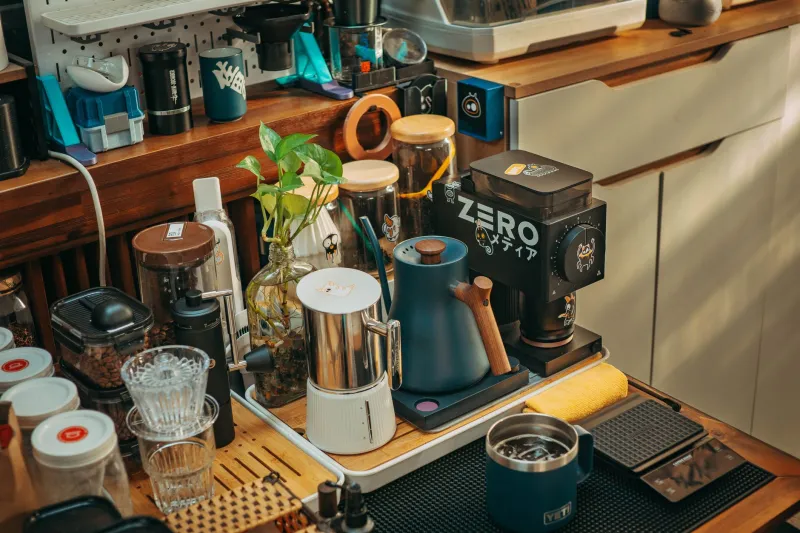
Like the learning curve. Pulling a genuinely good espresso shot requires dialing in your grind size (which means you also need a quality burr grinder, often an additional $100–$300 purchase), understanding extraction time, managing your tamp pressure, and learning to read the shot as it pours. This is a skill. It takes weeks to develop and months to refine. Professional baristas train for it.
Or the maintenance. Espresso machines require regular backflushing, descaling, group head cleaning, and occasional professional servicing. Skip that, and the machine that was supposed to simplify your mornings starts producing shots that taste like metal and disappointment.
Or the actual cost-per-cup math. A $700 entry-level semi-automatic machine plus a $200 burr grinder plus quality espresso beans at $18–$22 per bag, used at two shots per day, puts your cost-per-drink somewhere between $1.50 and $2.50 once you amortize the equipment over two years. That's not bad compared to a $6 café latte, but it's not the dramatic savings people imagine — especially when you factor in the time investment.
The Gap Between Instagram and 6 a.m.
Here's the honest version of what a home espresso setup looks like in practice for most people.
The first two weeks are exciting. You're experimenting, watching videos, adjusting your grind. Some shots are bad. Some are surprisingly good. You're learning.
By month two, you've got a decent routine, but you've also noticed that on rushed mornings you're pulling mediocre shots because you don't have time to dial in properly. You've started keeping instant coffee in the back of the cabinet for those days.
By month six, some people are genuinely hooked and getting better every week. Others have quietly moved the machine to a less prominent spot on the counter and started going back to the coffee shop for their espresso drinks.
Neither outcome is a failure. But only one of them justifies the original purchase.
What Actually Delivers Café-Quality Coffee at Home
If what you want is a great coffee experience at home — something that feels intentional and elevated without requiring a barista certification — there are several routes that consistently outperform the aspirational espresso machine for most people.
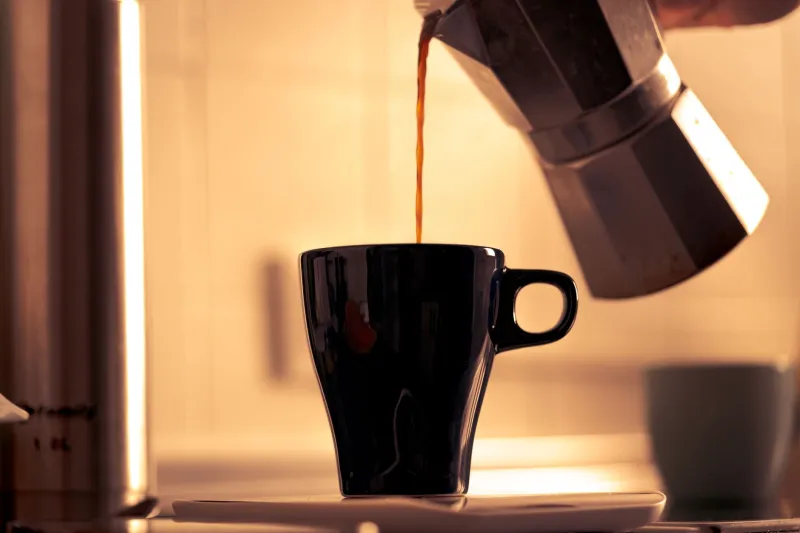
The Moka Pot is the most underrated tool in this conversation. A stovetop Bialetti produces a concentrated, espresso-adjacent brew that makes genuinely excellent lattes and cappuccinos when combined with properly steamed or frothed milk. It costs $30 to $50, requires almost no learning curve, and produces consistent results every morning. It's not technically espresso — the pressure is lower — but for the vast majority of home coffee drinkers, the difference is academic.
The AeroPress is another serious contender. With a fine grind and an inverted brew method, it produces a concentrated shot with real depth and low acidity. The entire device costs around $40 and fits in a drawer. The coffee community has built an entire competitive culture around it, which tells you something.
A quality manual frother or steam wand attachment paired with either of the above closes the gap on milk drinks considerably. A handheld frother runs $10. A dedicated electric milk frother runs $25 to $40. Combine either with a Moka pot and decent whole beans, and you're making a morning latte that most people couldn't distinguish from a mid-tier café drink in a blind taste test.
A quality burr grinder — even a $60 to $80 hand grinder — will improve your coffee more dramatically than any brewing device upgrade. Fresh-ground beans are the single biggest variable in home coffee quality, and it's one most people skip.
So Who Should Actually Buy the Espresso Machine?
Fair question. The honest answer is: people who are genuinely curious about the craft and excited by the process, not just the outcome. If the idea of dialing in a grind, pulling a shot, and troubleshooting extraction variables sounds interesting rather than tedious, a home espresso machine might be a genuinely rewarding hobby investment.
Also: people who drink multiple espresso-based drinks per day, have a dedicated kitchen space for the setup, and are willing to commit to the maintenance. At that volume and with that level of commitment, the cost math starts to make more sense and the skill development happens naturally.
But if you mostly want a good morning coffee that feels a little more special than a drip pot, and you're drawn to the machine primarily because of how it looks or how it makes you feel to own it — there's a $35 Moka pot that will make you just as happy, and you'll never have to descale it at midnight before a dinner party.
The Best Coffee Gear Is the Gear You'll Actually Use
This is the part the Instagram videos never show you: the best coffee setup is the one that fits your actual life, not your aspirational one. A $700 machine that sits unused three mornings out of five is a worse investment than a $40 AeroPress you reach for every single day.
Ada's kitchen philosophy has always been that the best tools are the ones that make you want to cook — or in this case, brew. Start with what genuinely fits your routine. Get good beans. Grind them fresh. And if you still want the espresso machine after six months of great coffee made simply, you'll buy it with a lot more clarity about what you're actually getting into.
That shot of espresso will taste even better when you've earned it.