Why Your Home Latte Tastes Like a Completely Different Drink (And How to Fix It Without Spending a Fortune)
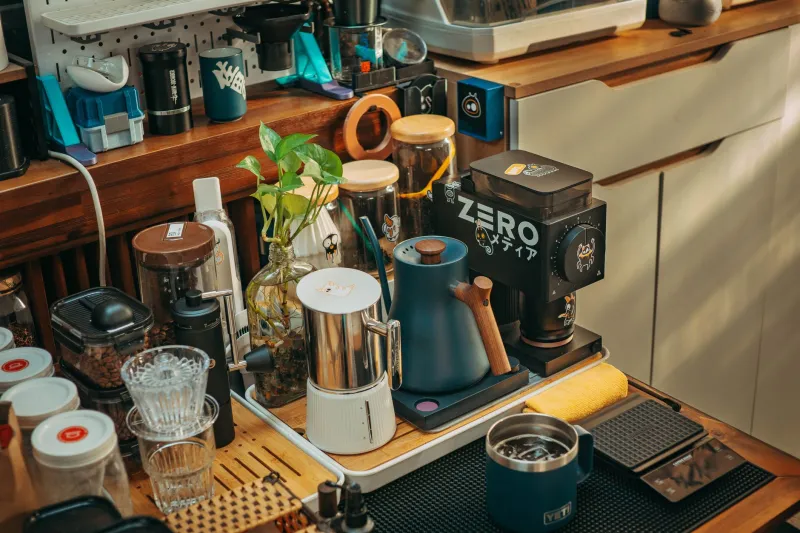
Let's be honest about something: you did everything right. You splurged on a bag of single-origin beans from that roaster everyone on your block seems to love. You watched the YouTube tutorial. You even cleaned your machine. And then you took that first sip of your carefully assembled home latte and thought — what is this?
It's not you. Well, it's not just you. There are real, specific, totally fixable reasons why your home brew and your coffeehouse order taste like they came from two different planets. Understanding those reasons is actually kind of fun — think of it less as diagnosing a failure and more like solving a puzzle that ends with better coffee every single morning.
The Water Temperature Problem Nobody Talks About
Here's a number worth knowing: 200°F. That's the sweet spot for brewing coffee — roughly 30 seconds off a full boil if you're using a kettle without a temperature gauge. Most home machines, especially the kind that live in the $50–$150 range, heat water to somewhere between 185°F and 195°F. That might not sound like a big deal, but coffee is fussy. Underheated water pulls fewer of the soluble compounds responsible for sweetness and body, leaving you with a cup that tastes flat, slightly sour, or just... thin.
Professional espresso machines at your local café maintain precise temperature stability across every single shot. That consistency is expensive to engineer. The fix at home doesn't have to be. If you're using a pour-over or French press, a variable-temperature gooseneck kettle (you can find solid ones for around $40–$60) is one of the highest-return investments in your coffee setup. If you're using a drip machine, look for models with an SCA (Specialty Coffee Association) certification — they're required to hit that 200°F target.
Grind Consistency Is the Quiet Culprit
Blade grinders are everywhere. They're cheap, they're fast, and they are genuinely working against you. The problem isn't that they grind — it's how they grind. Blade grinders chop coffee unevenly, producing a mix of powder-fine particles and chunky fragments all in the same batch. When you brew that, the fine bits over-extract (bitter) while the coarser pieces under-extract (sour), and you get both flavors fighting each other in the same cup.
Cafés use burr grinders — either flat or conical — that crush beans between two abrasive surfaces at a consistent distance. Every particle ends up roughly the same size, which means even extraction and a balanced cup. Burr grinders used to be a serious investment, but the market has opened up considerably. A decent hand burr grinder runs $30–$50 and will do more for your coffee quality than almost any other single upgrade. Electric burr grinders start around $60–$80 for entry-level models that still outperform any blade grinder you've ever owned.
The Milk Situation Is More Complicated Than You Think
If you're making lattes or cappuccinos at home, milk matters enormously — and not just which kind you buy. Whole milk is the gold standard for steamed coffee drinks because its fat content (around 3.5%) creates that velvety, slightly sweet microfoam that sits so perfectly on top of espresso. Skim milk froths into a stiffer, airier foam that collapses quickly and doesn't integrate the same way. Two-percent lands somewhere in the middle.
But here's the thing most home brewers miss: temperature matters here too. Café baristas steam milk to around 140°F–150°F. Go above 160°F and you start scorching the natural sugars, which introduces a faintly burnt, flat flavor. If you're using a steam wand, keep a thermometer clipped to your pitcher and pull the steam before you think you need to — the milk will coast up a few degrees on residual heat.
No steam wand? A handheld milk frother ($10–$15) combined with a microwave can get you surprisingly close to the real thing if you heat your milk to around 130°F first, then froth until it doubles in volume.
Pressure: The Variable You Probably Can't Fully Replicate (And That's Okay)
True espresso requires 9 bars of pressure — that's about 130 pounds per square inch — to force hot water through tightly packed, finely ground coffee in roughly 25–30 seconds. That pressure is what creates the crema, that golden-brown foam layer that sits on top of a well-pulled shot and contributes both flavor and aroma.
Most consumer espresso machines in the under-$200 range advertise high pressure but don't sustain it consistently throughout the extraction. The result is a shot that might look right but doesn't quite have the depth and sweetness of a café pull. This is probably the hardest variable to fix without a meaningful equipment upgrade, and that's worth acknowledging honestly.
But here's the reframe: you don't have to chase espresso at home to make incredible coffee. A well-dialed AeroPress can produce a concentrated, rich brew that pairs beautifully with steamed milk. A stovetop Moka pot, used correctly, gets you something espresso-adjacent with real body and intensity. Neither requires pressure that rivals a commercial machine, and both are deeply satisfying in their own right.
The Freshness Factor Is Doing More Heavy Lifting Than You Know
Cafés go through a lot of coffee. That turnover is actually a feature — it means their beans are almost always within a week or two of roasting, which is when coffee is at peak flavor. Grocery store bags, even the nice ones, often don't include a roast date (just a "best by" date, which tells you very little). Beans that are three or four months past roasting taste dull and papery no matter how good your equipment is.
The fix: buy from local roasters or online roasters who print the roast date on the bag. Look for beans roasted within the last two to four weeks. Store them in an airtight container at room temperature — not the freezer, not the fridge — and try to use them within three weeks of opening.
Your Home Brew Can Be Its Own Great Thing
Here's what nobody in the specialty coffee world says enough: your home cup doesn't need to perfectly replicate a café drink to be worth loving. Once you understand the variables — water temp, grind consistency, milk, freshness — you can start making intentional choices rather than hoping for the best. That shift from passive to active is where the fun actually lives.
Your kitchen has its own coffee story to tell. Give it the right ingredients, and it'll tell a pretty great one.