Sunday Soup Is the Quiet Superpower Your Freezer Has Been Waiting For
There's a version of Tuesday evening that goes like this: you're tired, it's dark outside, the last thing you want to do is think about dinner, and yet — dinner still has to happen. Now imagine opening your freezer and pulling out a container of golden, herb-scented chicken and white bean soup that you made four days ago, without even really trying that hard. You're eating in twenty minutes. You didn't order anything. You didn't stress.
That's the promise of freezer soup. And somehow, it's still one of the most underrated moves in the home cook's playbook.
People talk endlessly about meal prep — the sheet pans, the portioned salads, the rice cooker running on a Sunday loop. But soup? Soup gets treated like an afterthought. It shouldn't be. A big pot of soup made on a Sunday afternoon is one of the highest-return cooking investments you can make all week. It scales easily, it freezes beautifully (when you pick the right recipes), and it rewards you with something that genuinely tastes like effort — even when the effort was pretty modest.
Not Every Soup Belongs in Your Freezer (But Most Do)
Before you start ladling everything into zip-lock bags, it's worth knowing which soups are freezer-friendly and which ones will disappoint you on the thaw.
The best candidates are broth-based soups with hearty, sturdy ingredients. Think lentil soup, minestrone, chicken and rice (though more on rice in a second), black bean, split pea, and any kind of vegetable-forward purée — butternut squash, roasted tomato, potato leek. These soups freeze with almost no degradation in flavor or texture. In fact, some of them taste better after a freeze-and-reheat cycle, because the flavors have had even more time to meld.
The soups to approach with caution are those built around dairy or delicate starches. Cream-based soups can separate when frozen and reheated, turning grainy or greasy. It's not unfixable — a quick whisk and gentle heat usually brings them back — but it's worth knowing going in. As for rice and pasta, they tend to absorb liquid and get mushy in the freezer. The workaround is simple: cook the grain separately and add it fresh when you reheat. Problem solved.
Potatoes are another tricky one. They can turn mealy after freezing. If your soup has potatoes, consider blending a portion of them into the broth to thicken it, and keeping the rest in small, well-cooked chunks rather than large pieces.
Building Flavor at Scale
One thing home cooks sometimes struggle with when making a big batch is that the flavors feel flat or one-dimensional. There's a reason restaurant soups taste so layered: they're built with intention, not just volume.
Here's the move: don't just scale up the recipe. Scale up the technique.
Start with a proper soffrito or mirepoix — onion, celery, carrot — cooked low and slow until it's genuinely soft and sweet, not just translucent. This step alone is worth an extra ten minutes. Then bloom your spices in the oil before adding any liquid. Toasting cumin, smoked paprika, or dried herbs directly in the fat wakes them up in a way that stirring them into broth never will.
Add acid near the end — a splash of apple cider vinegar, a squeeze of lemon, or a can of fire-roasted tomatoes. Acid lifts and brightens a soup that might otherwise taste a little muddy at volume. Taste constantly. Season in layers, not just at the end. And if your broth tastes thin, let it reduce uncovered for fifteen minutes before you decide it needs more salt. Often it just needs concentration.
Fresh herbs go in at the finish, not the beginning. Parsley, basil, dill — these lose everything in a long simmer. Add them right before you cool the soup for freezing, and they'll still be present when you reheat.
Three Soups Worth Making This Weekend
1. Smoky Red Lentil Soup This one is almost embarrassingly easy. Sauté onion and garlic with cumin, smoked paprika, and a pinch of cayenne. Add red lentils, crushed tomatoes, and vegetable or chicken broth. Simmer 25 minutes. Finish with lemon juice and fresh cilantro. It freezes perfectly, reheats in ten minutes, and tastes like something you'd order at a good neighborhood restaurant.
2. White Bean and Kale Soup with Parmesan Sweat onion, garlic, and fennel in olive oil. Add canned white beans (two cans, drained), chicken broth, and a parmesan rind if you have one lurking in the back of your cheese drawer (and you should be saving those). Simmer 20 minutes, add chopped kale, cook five more. The parmesan rind does something almost magical to the broth — don't skip it. Freeze without the fresh parmesan on top; add that when serving.
3. Classic Chicken and Vegetable Soup (Hold the Noodles) Use bone-in chicken thighs for the deepest flavor. Simmer them in broth with onion, carrots, celery, bay leaves, and thyme until the meat is falling off the bone. Pull the chicken, shred it, discard the bones and bay leaves, and return everything to the pot. Season well. Freeze in quart containers. Add egg noodles or a scoop of cooked rice when you reheat — this way the noodles stay perfectly al dente every single time.
Storage and Reheating Without Losing the Magic
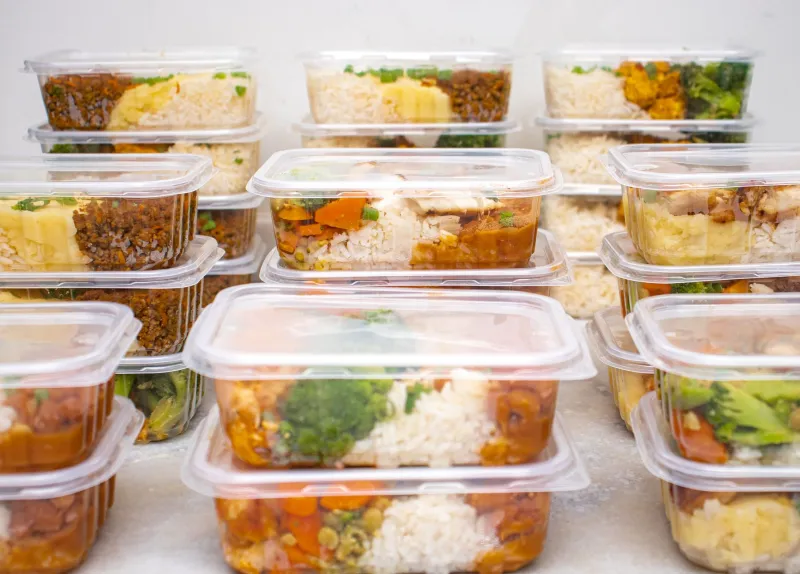
Let your soup cool completely before freezing — never put a hot pot directly into the freezer. Portion it into quart-sized deli containers or freezer-safe zip-lock bags (laid flat to save space). Label everything with the date and what it is. You will absolutely forget otherwise.
Most soups keep well in the freezer for two to three months, though they're usually best within the first six weeks.
To reheat, move a container to the fridge the night before if you have the foresight. If not, a low-and-slow thaw on the stovetop with a splash of extra broth or water works just fine. Resist the urge to crank the heat — gentle is the word. Stir frequently. Taste and adjust seasoning before serving, because freezing can mute salt levels slightly.
The Part That's Not Really About Soup
Here's the thing nobody quite says out loud: making a big pot of soup on a Sunday and stashing it in the freezer is a small act of kindness toward your future self. It's the cooking equivalent of setting out your clothes the night before, or filling the gas tank when it hits half. It's foresight. It's care.
The week is going to get busy. It always does. But if your freezer has three or four containers of real, homemade soup waiting in there, the week has a little less power over you. Dinner is handled. One less thing.
That's not a small thing. That's actually kind of everything.