The Humble Pot of Gold Hiding in Your Kitchen Scraps: Why Homemade Stock Changes Everything
There's a certain kind of home cook — you've probably met one — whose food just tastes different. Their weeknight soup has depth. Their rice has this quiet richness to it. Their pasta sauces taste like they've been simmering since Tuesday, even when they haven't. And when you ask them what their secret is, they almost always shrug and say something like, "Oh, I just had some stock in the freezer."
That's it. That's the whole trick.
Homemade stock is one of those foundational kitchen habits that professional chefs treat as completely non-negotiable, yet somehow never quite made the leap into mainstream home cooking culture. We've got meal prep Sundays, we've got air fryer hacks, we've got seventeen different ways to cook a chicken breast — but stock? It still gets treated like some ambitious weekend project reserved for people with a lot of free time and a serious apron collection.
It's not. And once you start making it, you'll wonder how you ever cooked without it.
What Stock Actually Is (And Why the Carton Version Isn't the Same Thing)
Let's be honest about something: the stock you buy at the grocery store is fine. It does the job. In a pinch, a carton of low-sodium chicken broth from the store shelf is absolutely better than nothing.
But it's not the same thing as what comes out of your own pot after a few hours of gentle simmering.
Store-bought stock is engineered for consistency and shelf stability. That means it's often lighter in body, lower in natural gelatin, and leaning heavily on salt and added flavoring to approximate the real thing. When you make stock at home from actual bones and vegetable scraps, you're extracting collagen, minerals, and deep savory compounds that no commercial product fully replicates. A good homemade chicken stock, when chilled, should turn into a loose jelly. That wobble? That's gelatin. That's body. That's what makes a sauce cling, a soup feel satisfying, and a simple pan of rice taste like it came from a restaurant.
The flavor difference isn't subtle. It's the kind of thing people notice without knowing why.
The Scrap Bag: Your New Best Friend
Here's where the magic really starts: you probably already have most of what you need.
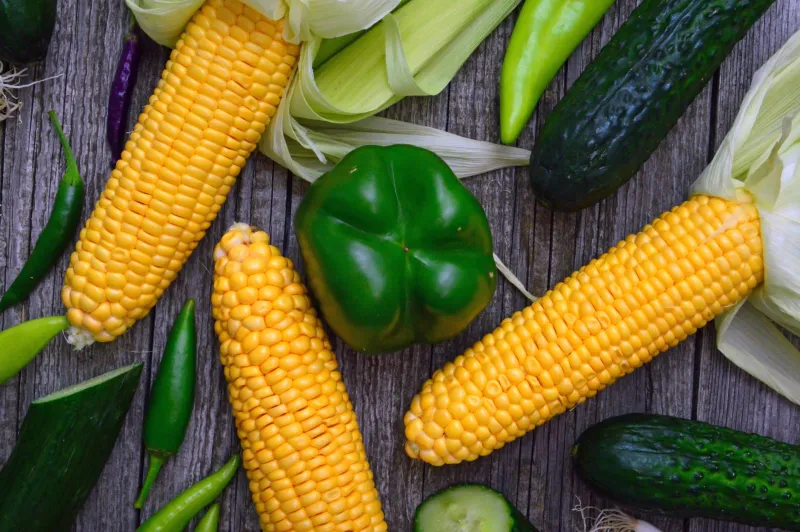
The best home stock-makers keep what's often called a scrap bag — a zip-top freezer bag or container that lives in the freezer and collects kitchen trimmings over time. Onion skins and the papery outer layers. Carrot tops and peels. Celery leaves. Leek roots. Herb stems — parsley, thyme, rosemary. The Parmesan rind you were about to toss. The carcass from last Sunday's roast chicken.
None of this costs anything extra. It's the stuff that was headed for the trash.
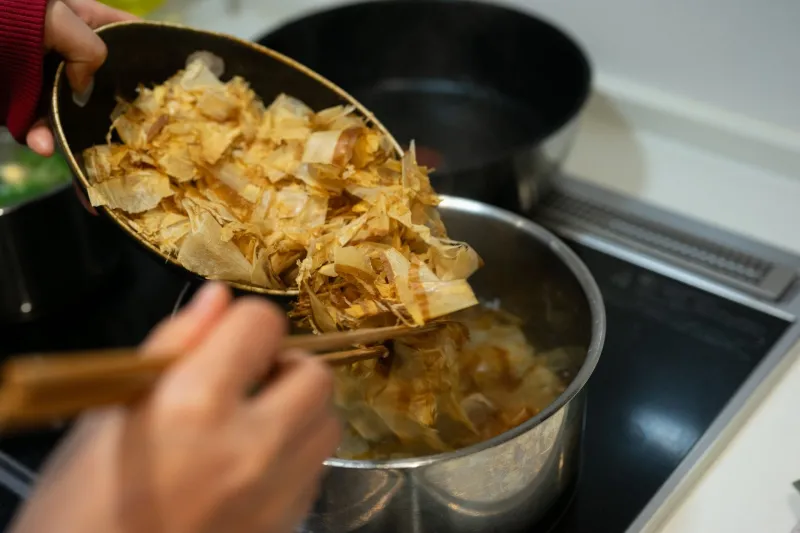
When the bag gets full — usually within a week or two of normal cooking — you've got yourself a stock session. Dump everything into a large pot, cover it generously with cold water, add a bay leaf or two and a few whole peppercorns if you have them, and let it go low and slow for a few hours. Strain it, let it cool, and freeze it in portions. Mason jars work great. So do silicone molds if you want smaller cubes for quick weeknight use.
That's the whole process. You're not babysitting it. You're not stirring every ten minutes. You're just letting time and heat do their thing while you go live your life.
The Flavor Upgrade You'll Feel Immediately
Once you've got a stash of homemade stock in the freezer, your cooking changes in ways that are almost hard to articulate until you experience them.
The most immediate difference shows up in the simplest dishes. A pot of vegetable soup that you've been making the same way for years suddenly has a rounded, layered quality it never had before. A risotto made with your own stock tastes like it took twice as long to make. Even just deglazing a pan with a splash of homemade stock — the kind of move that takes ten seconds — pulls up all those browned bits and turns them into something genuinely good.
Braises become more complex. Gravies become silkier. That Tuesday-night rice dish that's been a little flat? Pull a frozen cube of stock and cook the rice in that instead of water. You'll never go back.
This is what professional kitchens have known forever. Stock isn't a recipe component — it's the foundation everything else is built on.
The Money Side of Things (It's Actually Kind of Remarkable)
A 32-ounce carton of decent chicken stock at most US grocery stores runs somewhere between $3 and $5, depending on the brand and whether it's on sale. If you're cooking regularly — soups, braises, grains, sauces — you might go through two or three of those a week without thinking much about it.
That adds up. Quietly, but it adds up.
Homemade stock, made from scraps you were already generating, costs essentially nothing beyond the energy to run your stove. The chicken carcass was already there from Sunday's roast. The vegetable trimmings were already in the compost bin. The water is from your tap. If you're adding anything extra — maybe a few extra carrot stubs or an extra onion — you're talking about cents, not dollars.
Over the course of a year of regular cooking, the savings are genuinely significant. But more than the money, there's something satisfying about the alchemy of it — turning what would have been waste into something that makes your whole kitchen run better.
A Few Tips Before You Get Started
Keep the heat low. Stock should simmer, not boil. A hard boil makes the liquid cloudy and can turn the fat bitter. Low and slow is the move, every time.
Don't salt your stock. Season it when you use it in a recipe, not before. This keeps your frozen stock flexible across all kinds of dishes.
Avoid cruciferous vegetables in your scrap bag — broccoli, cabbage, Brussels sprouts. They go bitter in long simmers and can overwhelm everything else. Same goes for starchy potato peels, which can make the stock gummy.
And label your bags. Chicken stock and vegetable stock look remarkably similar once frozen, and nothing is more annoying than defrosting the wrong one at 6pm on a Wednesday.
The Kitchen That Runs on Stock
There's a certain confidence that comes with knowing your freezer is stocked. Not just with leftovers and frozen dinners, but with the building blocks of real cooking — the kind that makes people ask what your secret is.
Making your own stock is one of those habits that, once started, becomes almost automatic. You stop seeing carrot peels as trash. You start looking at the chicken carcass differently. Your scrap bag fills up, your freezer stash grows, and your cooking quietly gets better in ways that are hard to pin down but completely unmistakable.
It's not a trend. It's not a hack. It's just one of the oldest, most reliable things a home cook can do — and it's been running the best kitchens in America for a very long time.