Eight Cents Worth of Canned Beans Just Saved Your Tuesday Night
It's 6:45 on a Tuesday. You've been in back-to-back meetings since 9 a.m., the grocery run you planned for Sunday didn't happen, and the refrigerator is giving you that look — you know the one. A sad block of parmesan, half an onion wrapped in plastic, and a condiment graveyard on the door shelf.
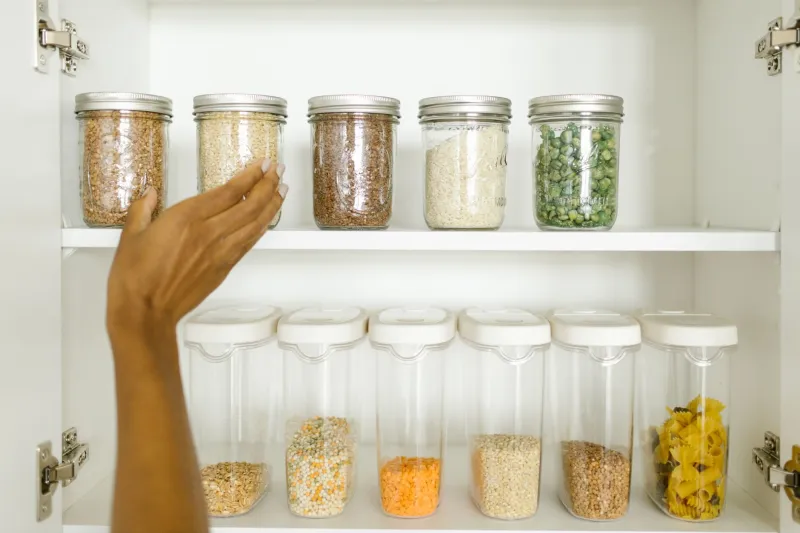
Here's the thing nobody tells you when you're doom-scrolling food content: the best home cooks aren't the ones with the most stocked fridges. They're the ones who know what to do when the fridge is empty. And that skill lives entirely in the pantry.
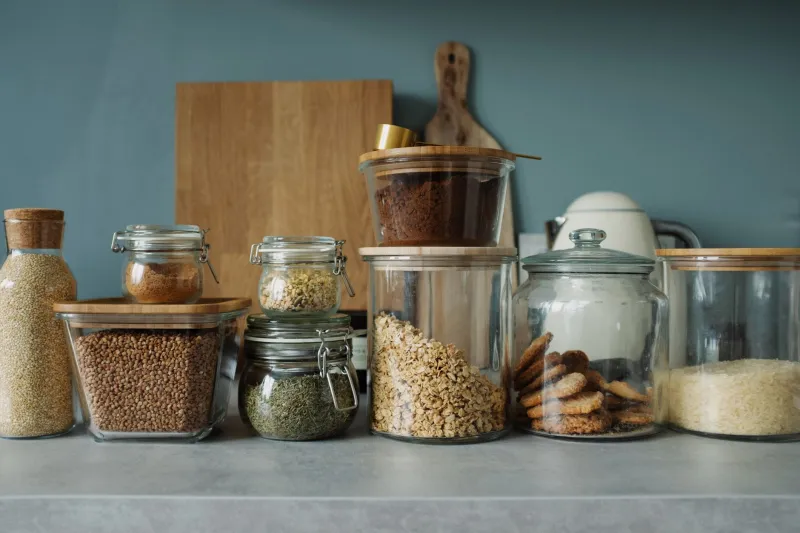
These seven ingredients are the unsung heroes of weeknight cooking. They're cheap, they're shelf-stable, and in the right hands — your hands — they turn a near-empty kitchen into something worth sitting down for.
1. Canned White Beans
If you only stock one can of anything, make it white beans. Cannellini, Great Northern, navy — they're all quietly interchangeable and wildly versatile. Drain and rinse them, warm them in a skillet with olive oil, garlic, and a pinch of red pepper flakes, and you've got a protein-rich base that takes on whatever flavor you throw at it.
On a really empty night, smash half the beans against the pan to create a creamy, almost-silky texture, add a splash of broth or even pasta water, and serve it over toast with a fried egg on top. It sounds humble. It tastes like something a trattoria in Florence would charge fifteen dollars for.
2. Fish Sauce
Before you scroll past this one — hear it out. Fish sauce is the most misunderstood bottle in the American pantry, and it's the reason your homemade dishes sometimes taste flat compared to restaurant food. It doesn't make things taste fishy. It makes things taste more like themselves.
A few drops stirred into a pan sauce, a stir-fry, or even a pot of tomato soup adds umami depth that salt alone can't achieve. Think of it as the volume knob for savory flavor. One bottle lasts months and costs around three dollars. It is, without exaggeration, one of the highest-return investments in your entire kitchen.
3. Frozen Corn
Frozen corn gets dismissed as a side dish afterthought, but it's actually one of the most flexible things in your freezer. Toss it in a dry cast iron skillet until it chars slightly — no oil needed — and suddenly it's sweet, smoky, and substantial enough to anchor a meal.
Char it into a quick corn salsa with lime juice and whatever hot sauce you've got. Stir it into a pot of chili from a can to stretch it further. Fold it into scrambled eggs with cheddar and a little cumin. Frozen corn doesn't ask for much, and it gives back generously every single time.
4. Dried Pasta
This one feels obvious, but the mistake most people make is treating pasta as a blank canvas that needs a real sauce. It doesn't. Some of the most celebrated pasta dishes in Italian cooking — cacio e pepe, aglio e olio, pasta al burro — are built from pantry basics alone.
Aglio e olio is the weeknight rescue dish to end all weeknight rescue dishes: pasta, olive oil, garlic, red pepper flakes, and a handful of parmesan if you've got it. That's the whole recipe. It takes twenty minutes, it costs almost nothing, and it is genuinely delicious. If you're running on empty and you have pasta and olive oil, you are not in crisis.
5. Canned Tomatoes
A can of whole peeled tomatoes is a meal in waiting. Crush them into a quick sauce with garlic and olive oil. Simmer them with white beans and a parmesan rind (save those rinds — they're gold) into a rustic soup. Spoon them over a piece of chicken that's been seared in the same pan.
The best thing about canned tomatoes is that they're already cooked, which means they're forgiving. You can't really burn a tomato sauce if you're paying even partial attention, and that matters on a Tuesday when your attention is already stretched thin.
6. Soy Sauce
Like fish sauce, soy sauce is a depth-builder. Unlike fish sauce, most Americans already have it — usually from takeout packets in a drawer somewhere. Consolidate those packets into a small bottle and start treating soy sauce as a finishing tool, not just an Asian-cooking ingredient.
A teaspoon whisked into a pan sauce made from butter and garlic becomes something almost French in its richness. Drizzled over a fried egg and rice bowl, it turns a lazy meal into something that feels intentional. Mixed with a little sesame oil and rice vinegar, it's a dressing for any grain or noodle situation you can construct from what's left in the cabinet.
7. An Egg (Or a Dozen)
Eggs are the great equalizer. They don't belong to breakfast — that's a myth American diners have perpetuated for too long. In most of the world, eggs show up at dinner without any need for explanation, and they should show up at yours.
A fried egg on top of literally anything — toast, beans, leftover grain, pasta, soup — adds protein, richness, and the visual cue that this is a meal. The yolk breaks and becomes its own sauce. It's an act of small kitchen magic that costs about twenty-five cents and takes three minutes.
The Real Point
There's a specific kind of guilt that settles in when you're not cooking the way you think you should be. The elaborate weeknight dinners on your saved Instagram posts feel like a standard you're perpetually failing to meet. But that's not cooking — that's content.
Real cooking is what happens when you're tired and hungry and you figure it out anyway. It's a can of beans and some garlic and a pan on a Tuesday. It's not Instagrammable and it doesn't need to be.
The pantry is not a backup plan. It is the plan. And once you start treating it that way, weeknight cooking stops feeling like a failure and starts feeling like exactly what it is: a small, quiet act of taking care of yourself.
That's worth sitting down for.