One Tiny Jar of Sumac and the Cooking Life I Didn't Know I Was Missing
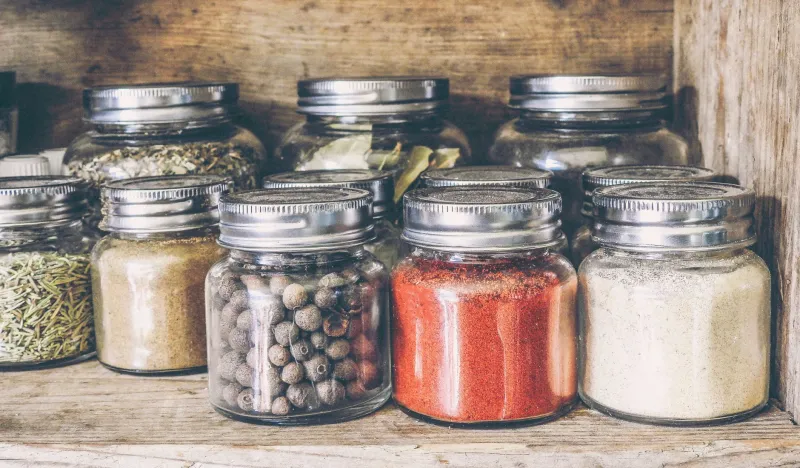
I almost didn't buy it.
It was sitting on a shelf at a Middle Eastern grocery store I'd ducked into mostly to get out of the rain, wedged between bags of dried rose petals and something labeled "black lime" that I couldn't begin to explain. The jar was small, the color was this deep, dusty burgundy, and the label just said sumac. I'd heard the word before — maybe in a recipe I'd scrolled past, maybe on a cooking show I half-watched while folding laundry. I grabbed it on impulse, paid three dollars, and brought it home with zero plan.
That jar is still on my counter. It's been refilled twice. And honestly, it's the reason I cook differently now.
What Even Is Sumac?
If you haven't met sumac yet, here's the short version: it's a ground spice made from the dried berries of the Rhus coriaria shrub, used widely across Middle Eastern and Mediterranean cooking. It's tart. Bright. A little fruity. Imagine if lemon decided to become a spice — not sharp and aggressive, but warm and layered, with this almost wine-like depth behind it.
It's used in za'atar blends, sprinkled over fattoush salad, rubbed onto grilled meats, and stirred into yogurt dips. And none of that context meant anything to me when I bought it. I just knew it smelled interesting when I unscrewed the lid in my car.
The first thing I put it on was a fried egg. I was making breakfast the next morning and I figured, why not? I shook a little over the top right before it hit the plate. One bite in and I set my fork down. Not because something was wrong. Because something was very, very right — and I needed a second to figure out what had just happened to a food I'd eaten hundreds of times.
The Moment the Instructions Stopped Mattering
Here's what nobody tells you about learning to cook from recipes: you get really good at following directions and really bad at trusting yourself. For years, I cooked exactly what the recipe said. If it called for lemon juice, I used lemon juice. If it said a pinch of paprika, I pinched. The food was fine. Sometimes it was great. But it always felt like I was coloring inside someone else's lines.
Sumac broke that for me, and I think it's because I had no blueprint for using it.
I couldn't Google "the right way to use sumac" and feel secure, because every source said something a little different. So I had to actually think. What does this taste like? What else tastes like that? Where does that flavor want to go? I started treating it less like a spice and more like a question — and answering that question turned out to be the most engaged I'd ever felt in my own kitchen.
Within two weeks, I'd put sumac on roasted cauliflower, stirred it into a lemon vinaigrette, rubbed it on chicken thighs with olive oil and garlic, and mixed it into labneh with fresh herbs. None of those were recipes I found. They were just things that made sense once I understood what the spice was doing.
The Ripple Effect Nobody Warns You About
Once your brain learns to ask "what does this flavor want?" it can't really unlearn it. That's the thing about a discovery like this — it doesn't stay contained to one spice.
After sumac, I started actually tasting my food at every stage of cooking instead of just at the end. I started buying one unfamiliar ingredient a month and giving myself permission to experiment without a recipe. I picked up Aleppo pepper flakes (fruity, mild heat, slightly oily — incredible on pizza). Then dried barberries (sour, tiny, transformative in rice dishes). Then Sichuan peppercorns, which don't just add heat — they create this tingly, almost electric sensation on your tongue that I still can't fully describe and can't stop chasing.
None of this made me a professional cook. I still burn things. I still have nights where dinner is a scrambled egg and whatever's left in the cheese drawer. But the way I move through my kitchen changed. There's less hesitation. More curiosity. A lot more "let me just try this" energy that I genuinely didn't have before.
How to Have Your Own Sumac Moment
You don't need sumac specifically. You need something unfamiliar — one ingredient that has no established place in your cooking yet, which means you have to figure it out yourself.
Here's how I'd suggest doing it:
Start at a specialty grocery store, not Amazon. Being able to smell, read the label in context, and sometimes ask a staff member makes the discovery feel more real. International grocery stores — Middle Eastern, South Asian, East Asian, Latin American — are goldmines for this.
Taste it before you cook with it. Seriously. Just put a tiny bit on your finger and taste it. Your brain will start making associations immediately. Is it sour? Earthy? Warm? Bitter? Those associations are your roadmap.
Put it on something simple first. Eggs, rice, roasted vegetables, plain yogurt, a piece of bread with butter. Simple foods don't compete. They let the new ingredient speak.
Give yourself two weeks. One use isn't enough to understand something. Use it four or five times in different ways before you decide if it's for you.
And genuinely — don't be precious about it. The whole point is that there's no wrong answer. The worst thing that happens is you don't love it and you've spent three dollars. The best thing that happens is you're standing in your kitchen at 7am, staring at a fried egg, wondering why it took you this long to feel this at home in your own kitchen.
That three-dollar jar of sumac didn't make me a better cook because of what it tasted like. It made me a better cook because of what it asked me to do — slow down, pay attention, and trust that I had enough curiosity to figure the rest out.
Turns out, that's all cooking really needs.